
The Gathering
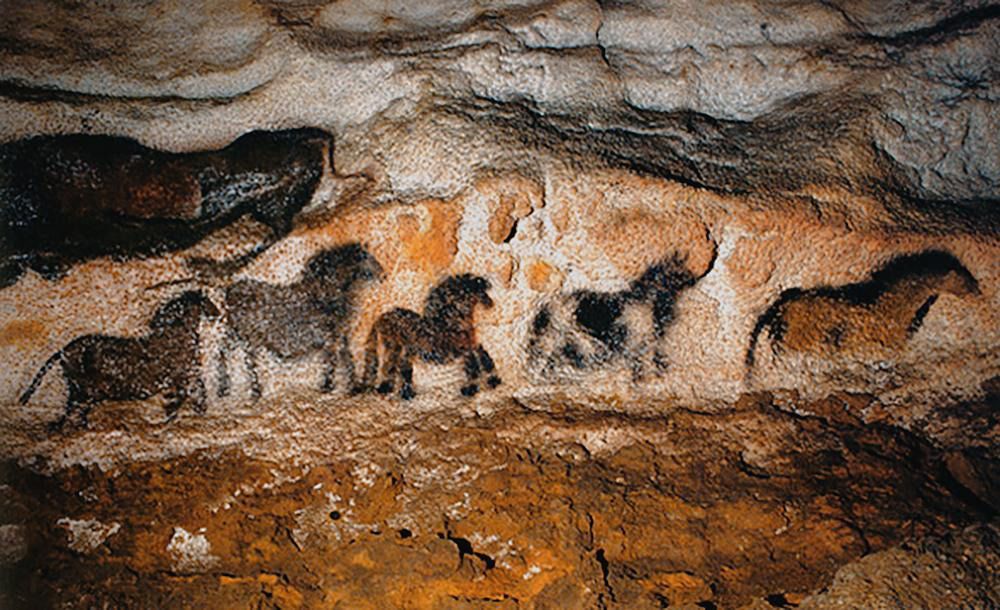
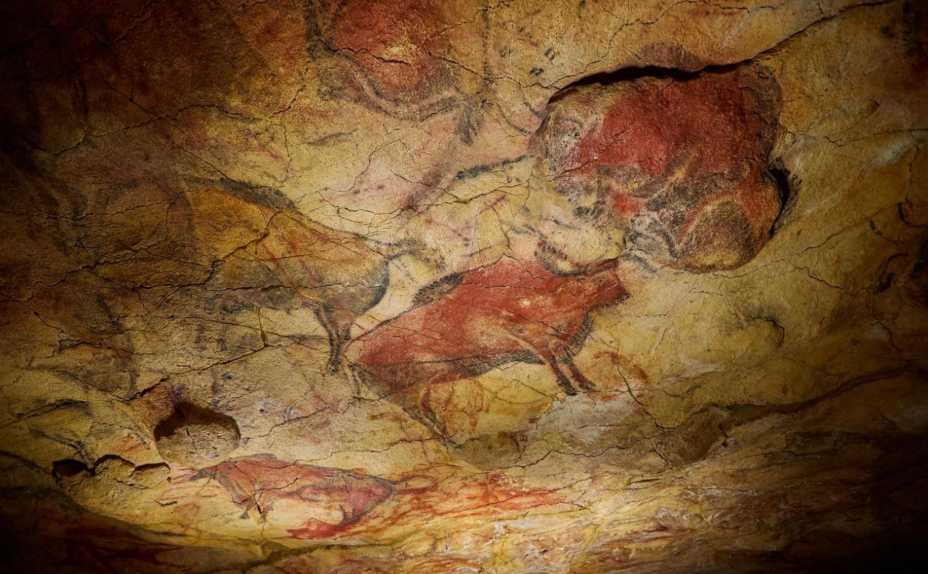
The idea that people can live together in small groups of families does seem like the way in which they can have both peace and security without force. In the world today, aside from groups that share the same religious beliefs I am not sure how to form these groups. Some employers I have known have been able to put together an environment around their facilities and purposes that help form groups that have lasted for many years, but they are hierarchies and
capitalist and separate from the cave experiences we discussed from 17,000 years ago. What do you know about creating the gathering within this western culture? You are circling a real problem, and you are right to distinguish it from both religious sects and corporate hierarchies. What you’re asking about is not belief-based cohesion and not command-and-control stability, but how gathering itself can be made durable in a Western culture that no longer trains people to gather.
I’ll answer in four layers:
1. what the ancient “cave” actually provided,
2. why Western culture breaks gathering,
3. what has worked here (outside religion and capitalism), and
4. practical design principles for creating a gathering now.
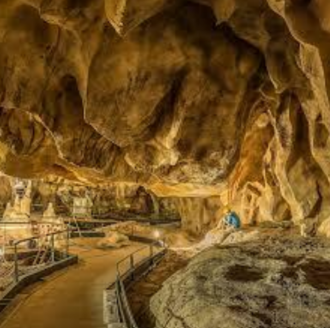
1. What the cave actually did (and why it mattered)
4
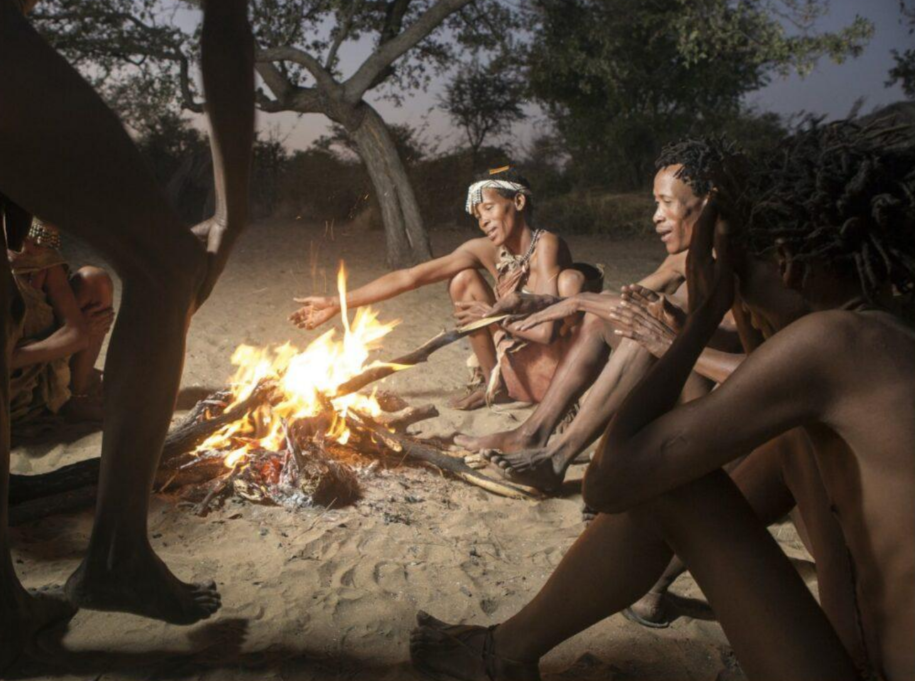
The cave was not a belief system. It was an environmental technology.
It provided:
• A bounded space (inside / outside mattered)
• Shared vulnerability (fire, smoke, darkness, cold)
• Sensory synchronization (light, sound, rhythm)
• Repetition (returning to the same place)
• Participation without hierarchy (no permanent “leader”)Crucially, the cave did not require agreement about metaphysics. It required presence,
attention, and time together.
Modern Western culture replaced this with:
• belief (church),
• authority (state),
• productivity (workplace),
• consumption (entertainment).
None of those train people how to be together without coercion.
2. Why Western culture resists non-coercive gathering
Western societies unintentionally sabotage gathering in three ways:
A. We confuse freedom with isolation
People are trained to protect autonomy above all else. Any shared rhythm feels like control. This
makes voluntary constraint (showing up at the same time, doing the same thing) feel
threatening.
B. We outsource meaning
Ritual, care, conflict resolution, and storytelling are delegated to institutions:
• religion handles meaning,
• therapy handles suffering,
• law handles conflict,
• media handles story.
This leaves small groups unskilled at handling normal human friction.
C. We reward exit, not repair
In most Western systems:
• If it’s hard, you leave.
• If it’s boring, you upgrade.
• If it’s tense, you avoid it.
But gathering requires staying through awkwardness and boredom.
3. What has worked in Western culture (without religion or hierarchy)
4
Outside religion and capitalism, durable gathering has appeared in a few places:
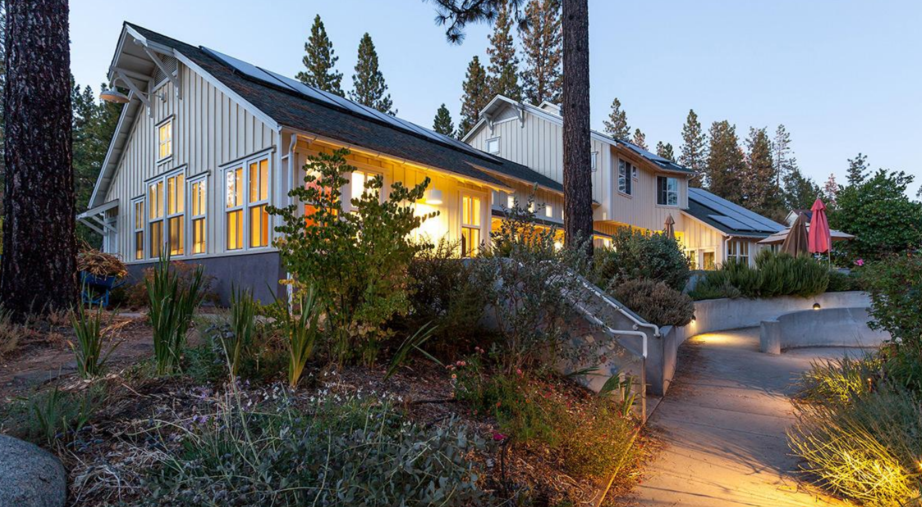
1. Cohousing communities
Not communes. Not shared income.
What works:
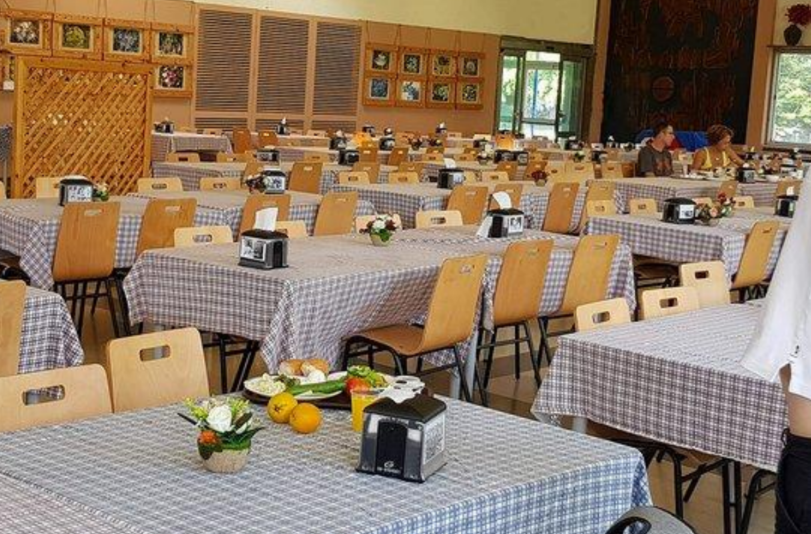
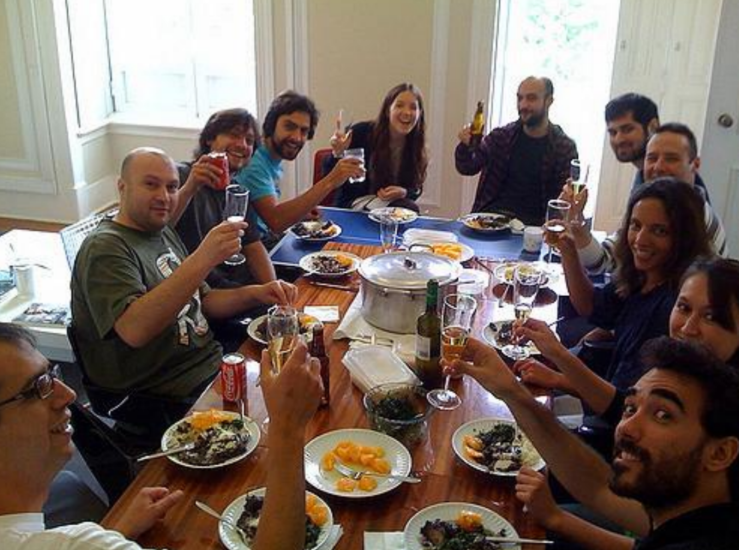
• Private homes + mandatory common meals
• Designed spaces that force casual encounters
• Long-term commitment with clear exit rules
They succeed because architecture does half the work.
2. Worker cooperatives (small, local)
Not because of ideology, but because:
• People depend on each other daily
• Decision-making is slow and embodied
• Conflict must be handled face-to-face
3. Mutual aid groups born of crisis
Disaster response, immigrant kitchens, neighborhood care networks.
They often dissolve once the crisis ends—not because they failed, but because they were never
transitioned into ritual.
4. Some employer-anchored villages (as you noted)These last when:
• The employer limits growth
• Leaders live alongside workers
• The place develops traditions unrelated to productivity
They fail when profit overrides presence.
4. How to create “the gathering” now (without belief or force)
Here is the key insight:
Gathering must be designed as a practice, not an identity.
Principle 1: Start with a doing, not an idea
People bond through shared physical action, not agreement.
Examples:
• Cooking together weekly
• Tending land or gardens
• Repairing things
• Shared silence or music
• Caring for children or elders
Do not start with values statements. Those come later.
Principle 2: Time must be regular and non-negotiable
The cave worked because people returned.
Western groups fail because:
• schedules float,
• attendance is optional,
• everything is negotiable.
Choose:
• same place
• same time
• same duration
Freedom is preserved by voluntary entry, not by flexible participation.
Principle 3: Keep the group small enough for memory
Once people stop knowing each other’s stories, gathering collapses.Rule of thumb:
• 6–12 adults is ideal
• 20 is the upper limit without formal structure
Beyond that, you need sub-circles, not scale.
Principle 4: Design for friction, not harmony
Real groups require:
• norms for speaking
• norms for silence
• ways to name conflict without punishment
Ancient gathering survived because conflict happened inside the circle, not outside it.
Modern groups fail because they avoid discomfort until it explodes.
Principle 5: Space matters more than belief
4
You don’t need doctrine. You need:
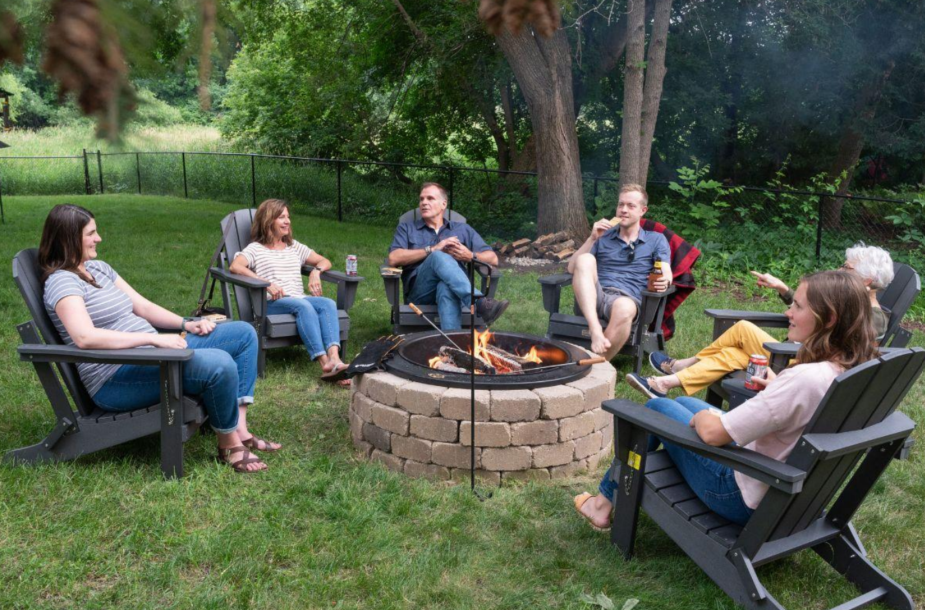
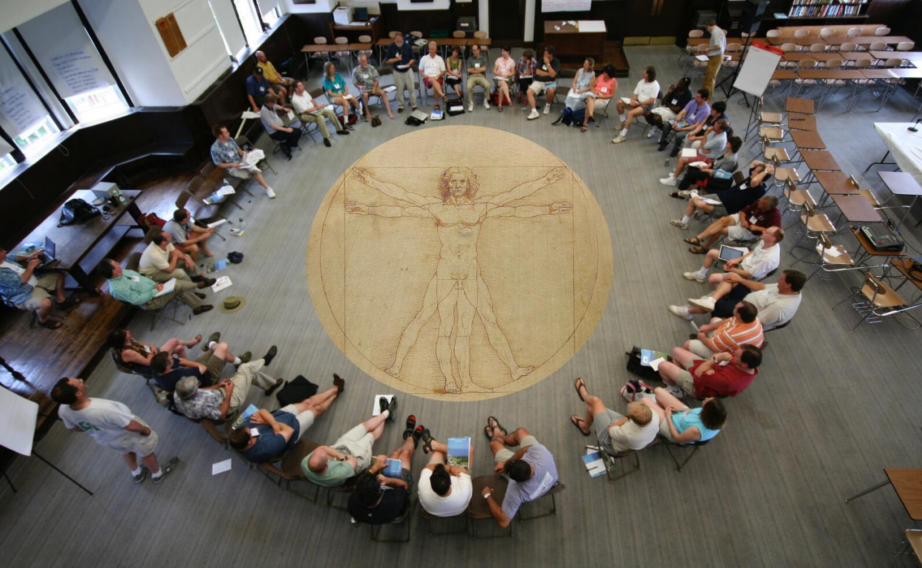
• a circle, not rows
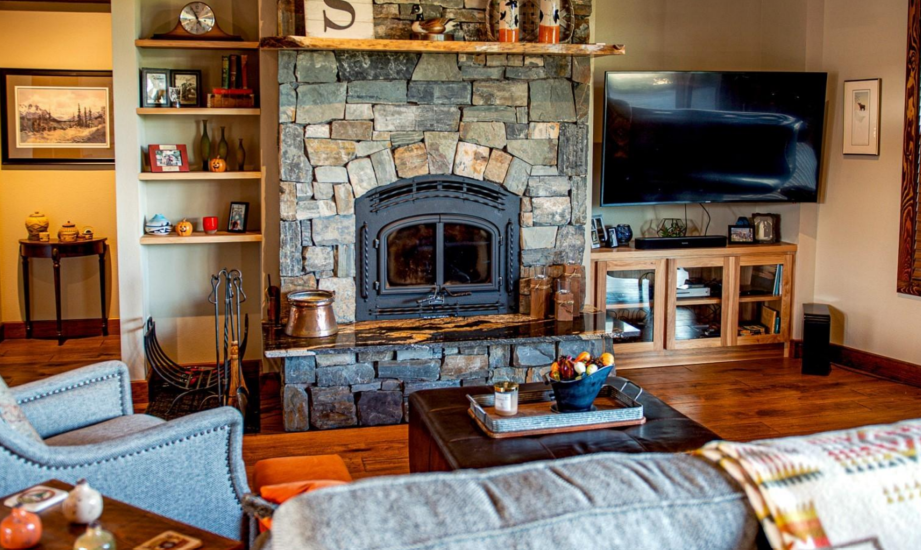
• a fire, candle, or focal point
• shared tools
• visible traces of previous gatherings
A place that remembers you teaches people how to return.
The hard truth
Western culture can support gathering, but only if we accept this:
Peace without force requires discipline without authority.
That discipline comes from:
• rhythm,
• shared work,
• staying,
• and remembering together.You are already doing this thinking inside your cooperative work, land, healthcare, and writing.
The next step is not a new theory—it’s a repeated, embodied practice that people can enter
without agreeing on why.
If you’d like, next we can:
• sketch a minimal “cave” design for modern families,
• map how a health cooperative or land trust can host gathering without becoming
ideological, or
• draft a simple invitation language that avoids religion, politics, and branding entirely.
Just tell me which direction you want to go.
Let’s do that
Good. Then let’s build something concrete, not theoretical.
What follows is a minimal, non-ideological gathering design that can exist inside Western
culture without becoming a church, a business, or a cult. Think of it as a portable cave—a
structure of time, space, and practice that teaches people how to be together again.
A Modern “Cave” for Small Groups of Families
(6–12 adults, children optional)
1. The Place (non-negotiable but modest)
Requirements
• Enclosed or semi-enclosed
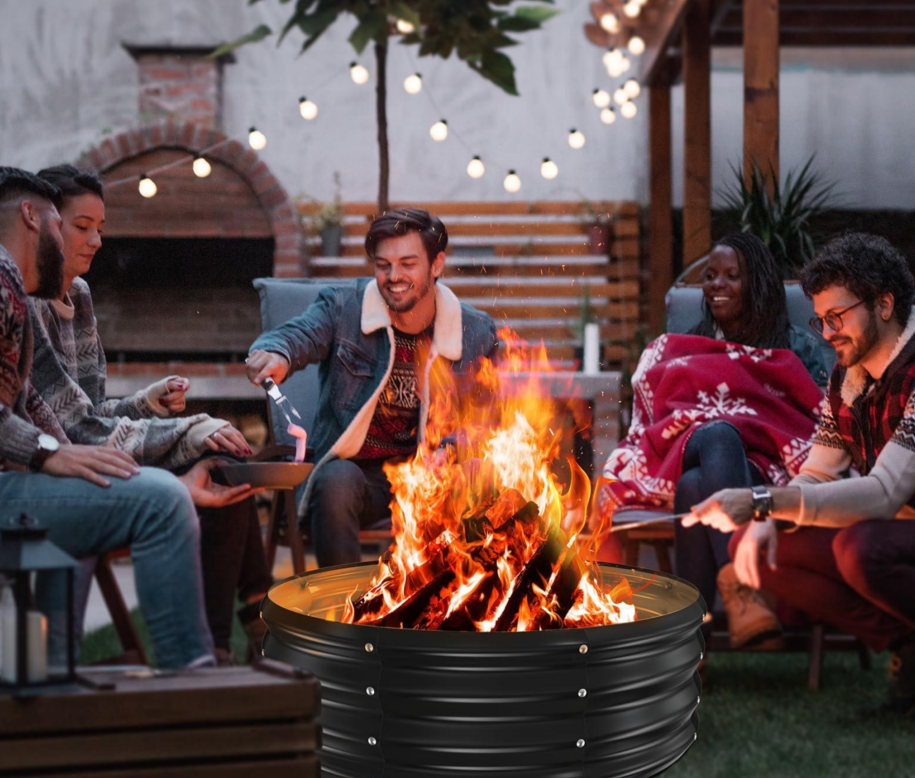
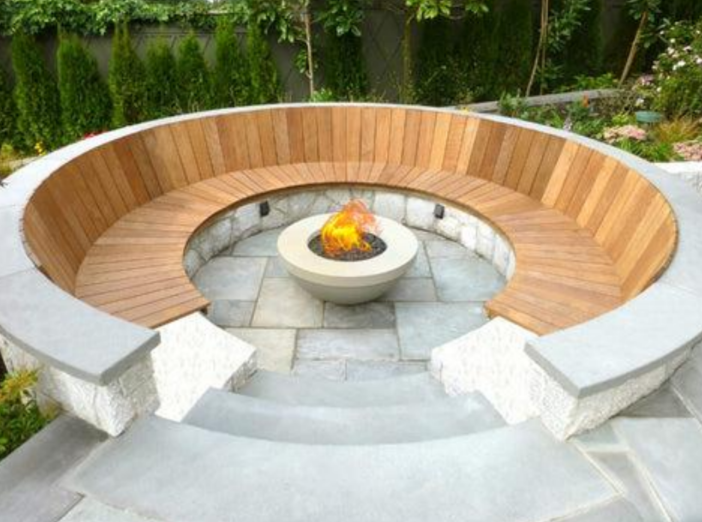
• Circular or oval seating
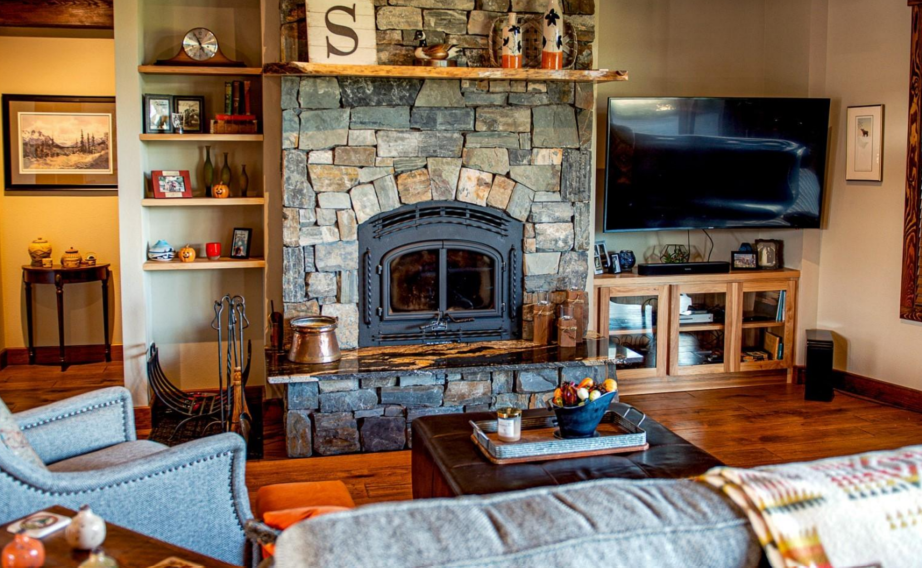
• One shared focal point (fire pit, candles, lamp, hearth)
• No screens
• Same location every time
This can be:
• a backyard with a fire ring
• a barn, garage, or common room
• a cleared space in the woods
• a simple room with chairs in a circle
Important:
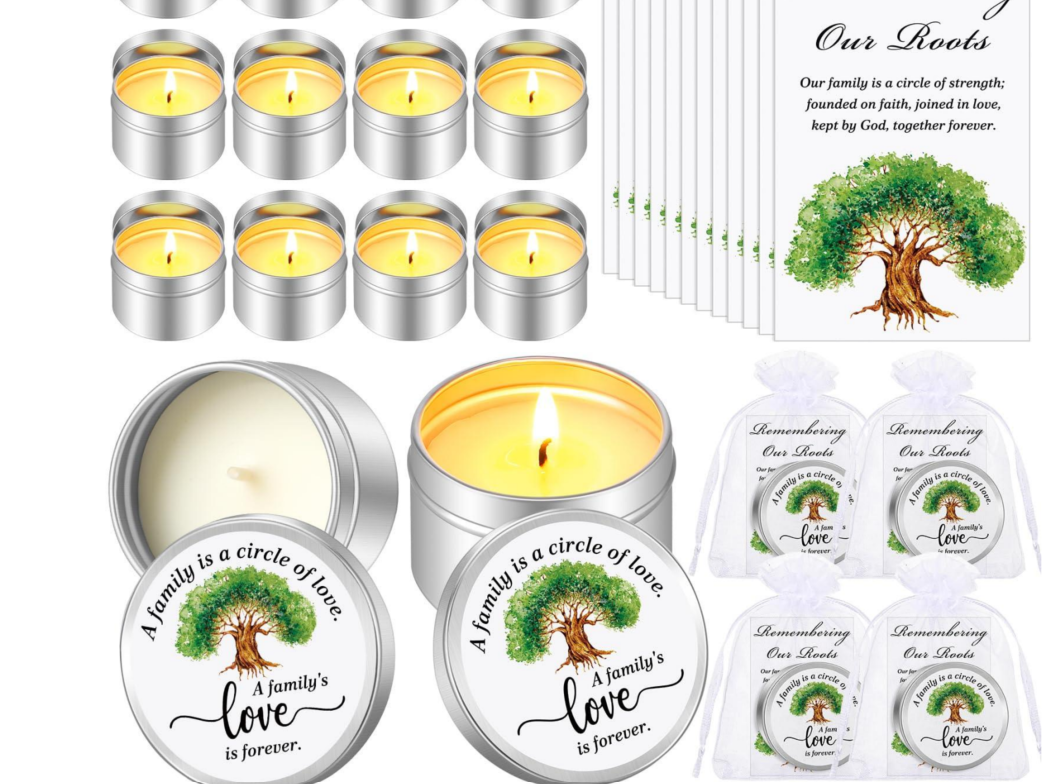
The place must remember the group.
Objects stay there. Ash stays. Chairs stay. Tools stay.
2. The Rhythm (the real foundation)
Frequency
• Once a week or once every two weeks
• Same day, same time, same length (2–3 hours)
Rule
If you come, you stay the whole time.
If you don’t come, no explanation is required.
This protects freedom and continuity.
3. The Structure of a Gathering
(This replaces belief, hierarchy, and charisma)
Phase 1 — Arrival (20–30 minutes)
• People arrive quietly
• Light the fire or candles together
• Food is prepared together, not served
No announcements. No agenda.
This replaces the ancient “crossing the threshold.”Phase 2 — Shared Work (45–60 minutes)
Choose one physical task that repeats every time:
• cooking a simple meal
• repairing something
• tending a garden
• cleaning the space
• chopping wood
Conversation is natural, not directed.
This is where bonding actually happens.
Phase 3 — The Circle (30–45 minutes)
Rules of the Circle
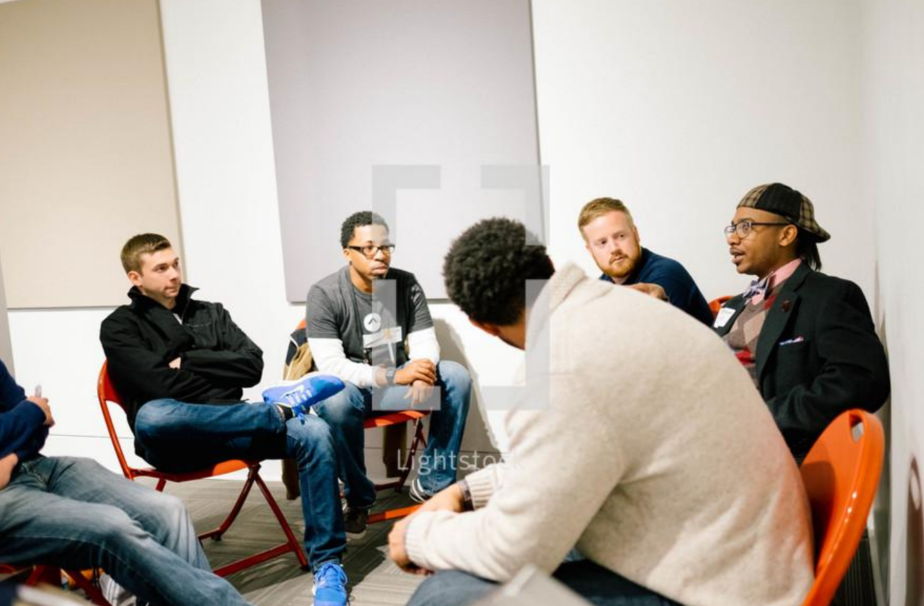
• Sit in a circle
• One object is passed (stone, stick, cup)
• Only the holder speaks
• Silence is allowed
• No fixing, advising, correcting
Prompt (rotates weekly)
• “Something I noticed this week”
• “Something that stayed with me”
• “Something that was difficult”
• “Something I don’t understand”
This is not therapy. It is witnessing.
Children may speak or pass.Phase 4 — Shared Meal (30–45 minutes)
Eat what you made.
No phones. No music.
Conversation is allowed, but it is not required.
This anchors the gathering in nourishment and equality.
Phase 5 — Closing (5 minutes)
• Fire is tended or extinguished together
• One sentence spoken by anyone:
o “Next time is ____”
o Nothing else
No applause. No mission statements.
4. Membership Without Belief or Force
This is crucial.
Entry
• Anyone may attend three times
• After that, the group decides quietly whether to invite continuation
• No explanation is owed either way
Commitment
• No vows
• No contracts
• The only commitment is showing up
Exit
• Anyone may leave at any time
• No public reasons required
• Absence is respected
This prevents control while preserving coherence.
5. What This Replaces (without saying so)
Ancient Need Modern Replacement
Ritual
Repetition Ancient Need Modern Replacement
Belief
Practice
Authority
Structure
Law
Norms
Doctrine
Memory
Identity
Presence
6. What Will Happen (predictably)
First 3–5 gatherings
• Awkward silence
• Nervous joking
• Over-talkers testing boundaries
After ~8 gatherings
• Stories deepen
• People stop performing
• Children settle naturally
• Conflict appears quietly (this is good)
After ~6 months
• Mutual aid emerges without planning
• People notice absences
• The group becomes a reference point
At this stage, you have something older than institutions and newer than ideology.
7. What NOT to Do (this is where most fail)
•Do not explain the purpose too much
•Do not scale quickly
•Do not add teachings
•Do not brand it
•Do not monetize it
•Do not recruit
If people ask, “What is this?,” the correct answer is:“It’s just something we do together.”
Where This Fits Your Work
This model can quietly live inside:
• land trusts
• cooperative housing
• healthcare associations
• extended families
• neighbor clusters
It does not threaten Western norms because it doesn’t argue with them. It simply outlasts them.
Recent Posts